Zen

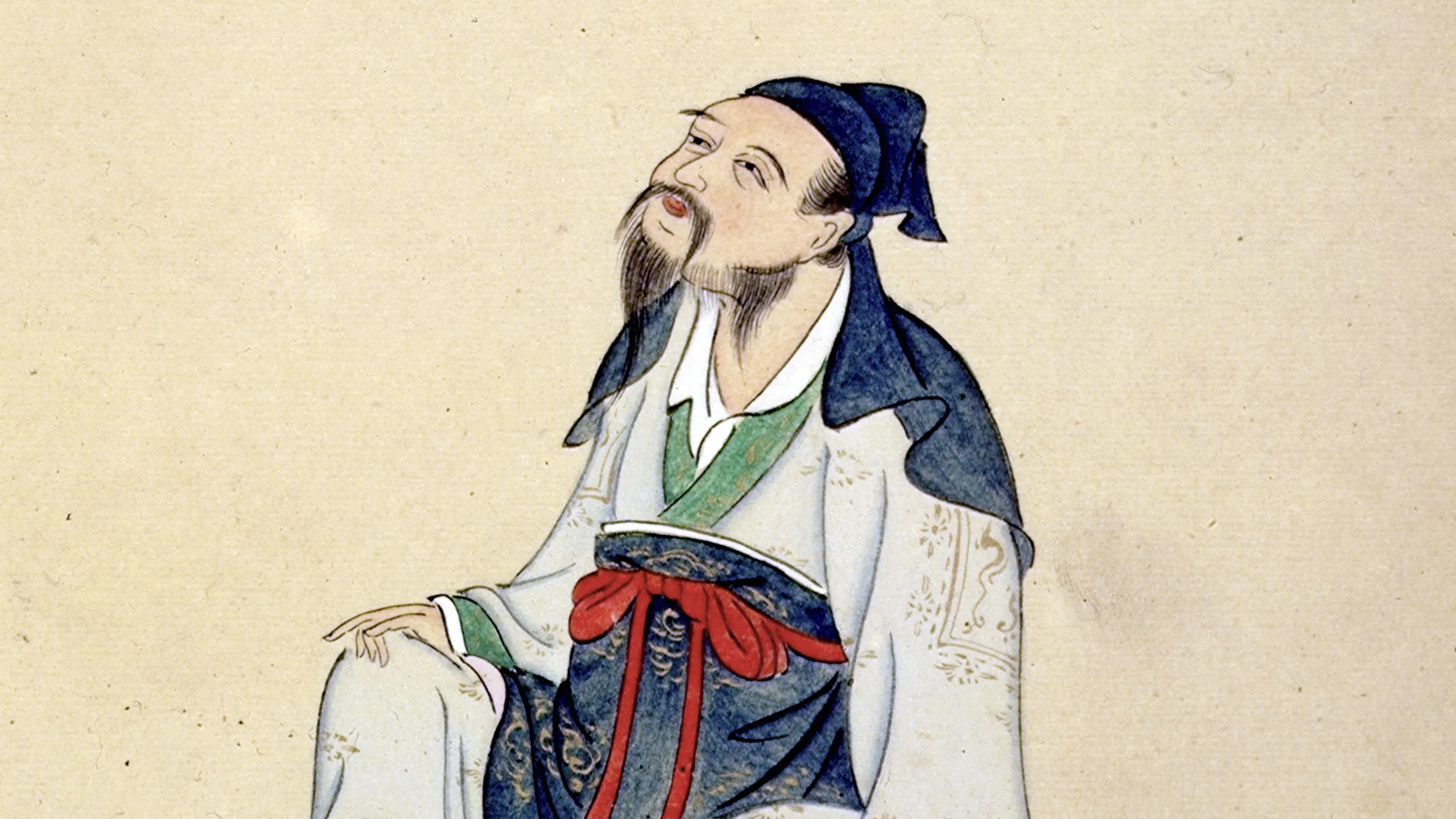
Ryokan - Zen poet
Zen

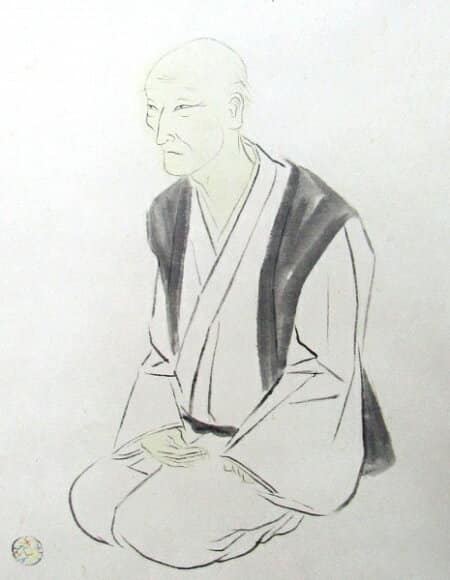
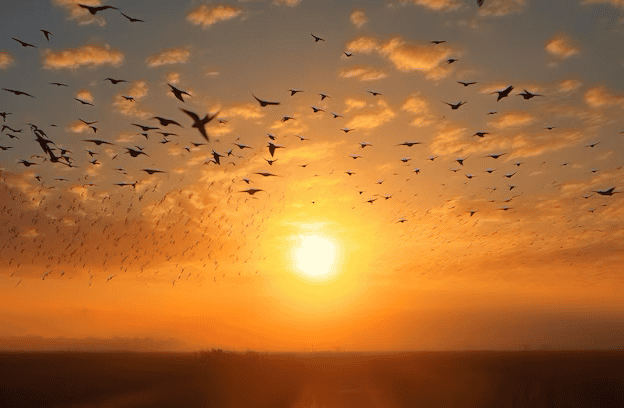
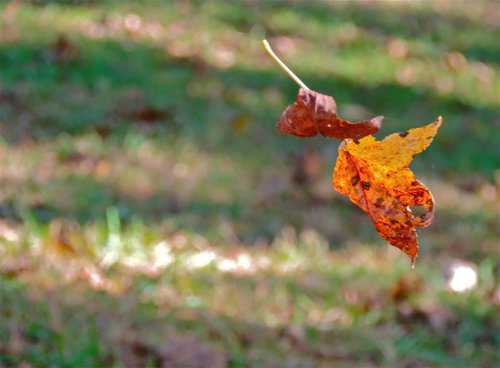
Ryokan – The Winds have Died

The winds have died, but flowers go on falling; birds call, but silence penetrates each song. The Mystery! Unknowable, unlearnable. The virtue of Kannon. Ryลkan Taiguย (่‰ฏๅฏ›ๅคงๆ„š) These incomparable words express so eloquently the mystery of inseparable emptiness and appearances. It’s also a stunning reflection on transience and the Deathless. How he holds both sets of

Ryokan – The Winds have Died Read Post ยป

Chinul / Jinul - Reflections on Chinul - Pointing to your Original Mind
Zen

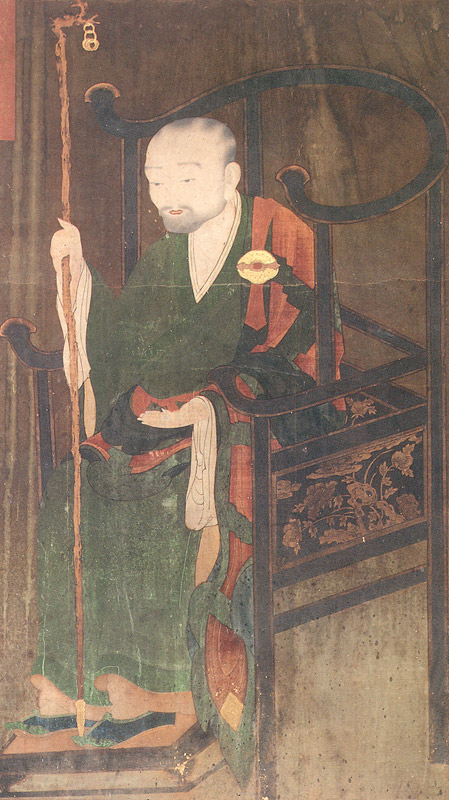
Reflections on Chinul – Pointing to your Original Mind

Some reflections on a dialogue between Jinul Puril Bojo Daesaย (๋ณด์กฐ์ง€๋ˆŒ), also also known as Bojo, and Chinul, a 12th century Korean master and one of his students: Question: In our case, what is this mind of void and calm, numinous awareness? Chinul: What has just asked me this question is precisely your mind of void

Reflections on Chinul – Pointing to your Original Mind Read Post ยป

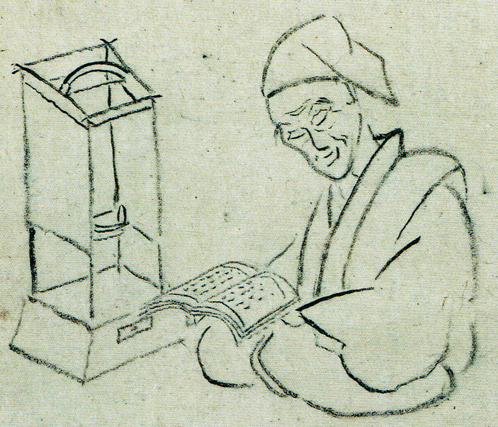
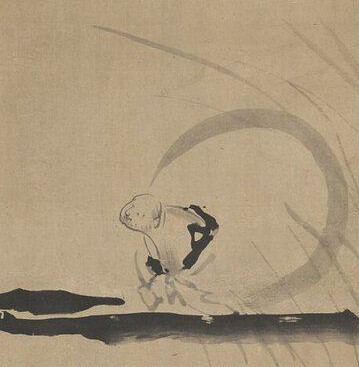
A painting and calligraphy by Hakuin Ekaku -a key figure in the Rinzai school of Buddhism
Mahamudra Zen

Soto and Rinzai Zen – Sutra, Tantra and Essence Mahamudra

Following on from the post: Is Zen Vajrayana? I believe there are various tradtions in Zen. Some of them may use result as a path. This is a really interesting question. I don’t think that any of the traditions practice result as path in the sense that Vajrayana teachings teach it. However, interestingly enough, Soto

Soto and Rinzai Zen – Sutra, Tantra and Essence Mahamudra Read Post ยป

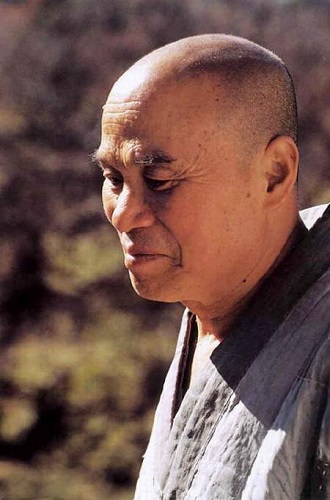
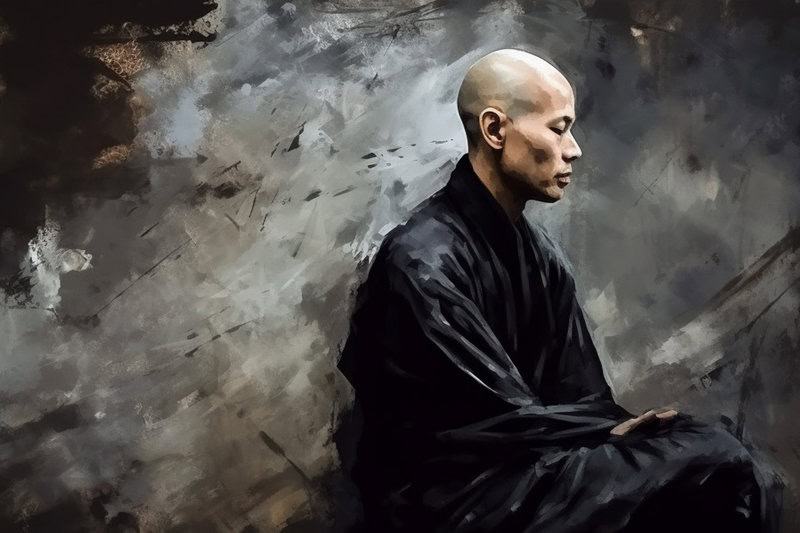
Zen monk meditating
Vajrayana Zen

Is Zen Vajrayana?

Hi, is Zen considered a Vajrayana ‘way’? I would say that it isn’t when considered by the most important criteria. If the major factor which distinguishes the Vajrayana from Mahayana and Hinayana is the fact that it uses the result as the path, whereas the other two yanas use the cause as the path, then

Is Zen Vajrayana? Read Post ยป

Scroll to Top